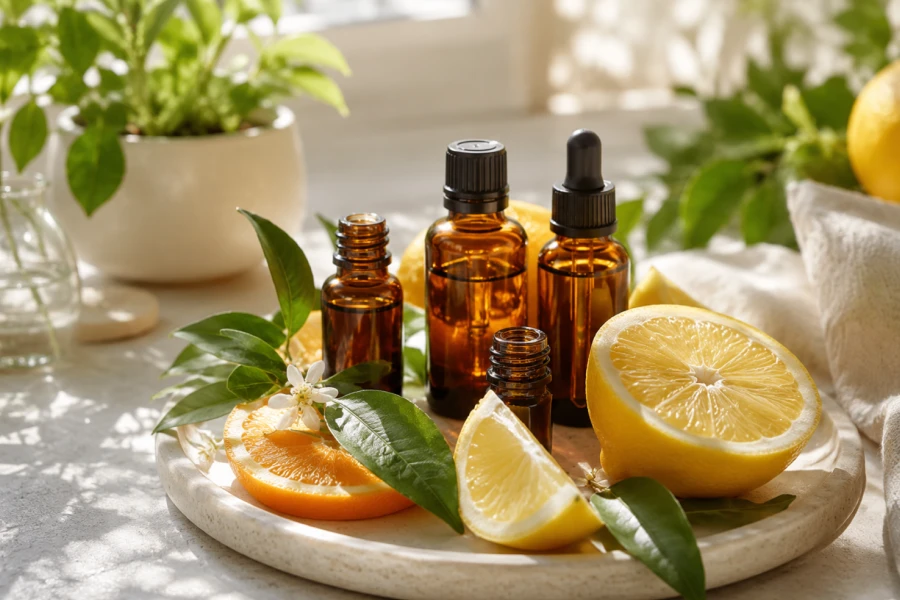
Essential Oils for Relaxation can help turn ordinary moments into softer, slower rituals. Relaxation often needs a clear signal, especially after demanding days. Scent can provide that signal in a gentle way. A calming aroma may help your room feel peaceful. It can also make breathing, stretching, or reading feel more intentional. The best routine is simple and safe. It should fit your life without adding pressure. You do not need dozens of oils to begin. A few well-chosen scents can support meaningful calm. Rest becomes easier when your environment invites it.
Relaxing scents can create a sense of transition. They tell your mind that the pace is changing. Lavender, cedarwood, bergamot, and soft herbal blends often suit quiet routines. Personal preference still matters most. A scent should feel comforting, not forced. A anxiety relief scents resource can help you compare gentle options. You can choose aromas for evenings, baths, stretching, or reading. This gives the practice more structure. Relaxation becomes easier when cues are consistent. Your body learns to recognize the ritual.
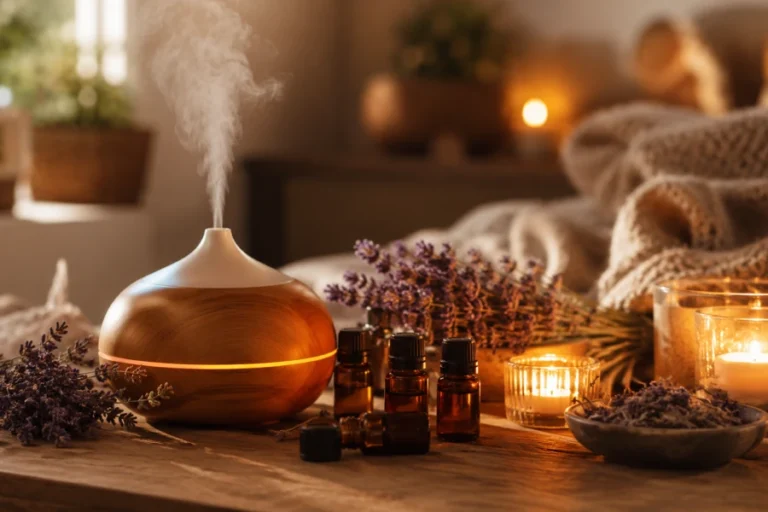
Your room affects how well scent supports rest. Clear one small area before beginning. Dim the lights if possible. Choose music, silence, or a simple breathing practice. Use only a small amount of oil. Open a door or window if the scent feels strong. Keep the diffuser clean and placed safely. A calming scent rituals guide can help you make the setup easier. The space should feel peaceful, not staged. Calm grows when your surroundings feel manageable.
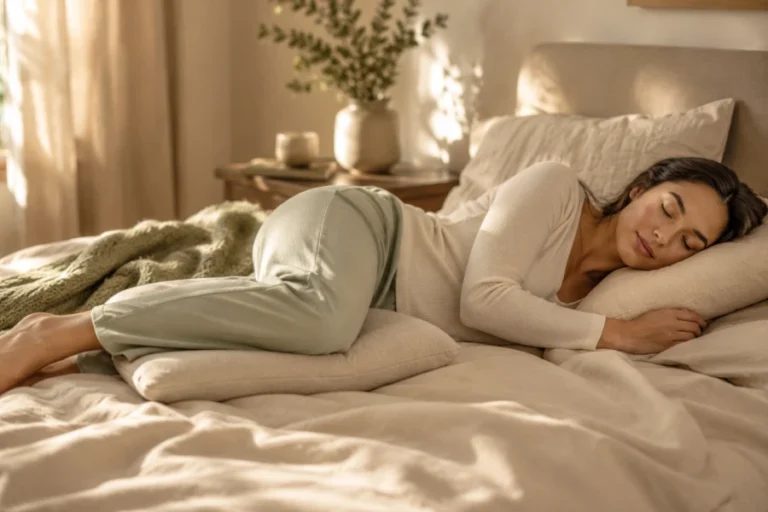
Bedtime aromatherapy should be gentle and brief. Use scent as part of the wind-down period. Diffuse before sleeping, then turn the device off. This reduces overexposure while preserving the routine. Pair the aroma with reading, stretching, or quiet journaling. Avoid stimulating tasks once the ritual begins. Keep strong blends away from pillows and skin unless properly diluted. Follow safety guidance for your home and household. The goal is a soft transition into rest. A predictable scent can help the night feel more settled.
Self-care rituals become richer when scent supports the mood. A bath, foot soak, massage, or skincare moment can feel more intentional. Always dilute oils properly for skin use. Avoid sensitive areas and discontinue use if irritation appears. Choose warm, soft, or floral notes for slower rituals. Keep the routine simple enough to enjoy. A home aromatherapy guide can support safer choices. Relaxation is not about creating a perfect spa. It is about making care feel accessible. Small rituals can make ordinary evenings feel restorative.
Relaxation should never come at the cost of comfort. Some people are sensitive to strong aromas. Headaches, nausea, or irritation are signs to stop. Pets and children may need extra caution. Pregnancy and certain conditions may require professional guidance. Store oils carefully and keep lids secure. Use recommended amounts rather than guessing. Clean diffusers to prevent stale scent buildup. Choose quality over quantity when building your collection. Safe use makes the practice more trustworthy.
Choose one evening scent and use it consistently. Keep the first ritual under fifteen minutes. Pair it with one calming activity. Notice whether your body feels softer afterward. Adjust the amount if the aroma feels too strong. Try another scent if the first one does not suit you. Keep the routine low pressure and repeatable. Relaxation works best when it feels inviting. Over time, scent can become a comforting cue. Your home can support rest in simple, sensory ways.

Leave a comment