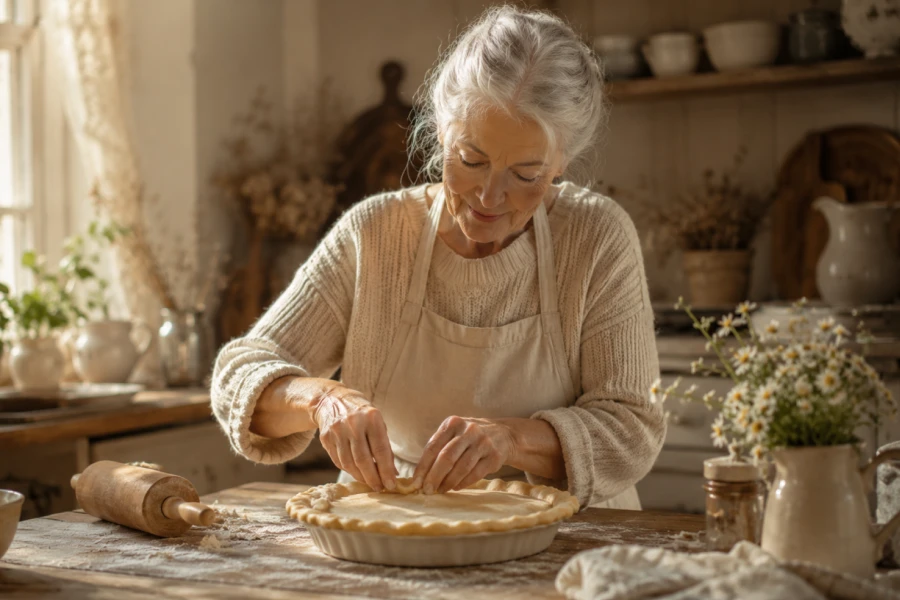
Calming Hobbies For Anxiety can bring softness back into busy, overstimulated days. Many people need relief that feels approachable, not clinical or complicated. Gentle hobbies create structure without pressure. They invite your hands, attention, and imagination to slow down. Old-fashioned activities often work because they feel grounded. Knitting, baking, journaling, gardening, and puzzles can calm the mind. These routines create small wins that do not demand perfection. They also replace scrolling with something more nourishing. Your nervous system benefits from steady, peaceful repetition. Calm becomes easier when your free time has intention.
Simple hobbies help your mind focus on one safe task. That focus can reduce racing thoughts. Repetition also gives the body a sense of rhythm. A quiet activity can become an emotional reset. You do not need advanced skills to begin. The point is presence, not performance. A calming hobbies for adults guide can make choosing easier. It helps you match activities to your mood and energy. This prevents the hobby from feeling like another obligation. Peaceful routines should feel welcoming from the start.
Many hobbies lose their calming power when they become performance projects. You do not need to monetize every interest. You do not need to master every craft. A hobby can exist simply because it helps you feel steady. That mindset makes older hobbies especially valuable. They often reward patience instead of speed. Reading recipes, arranging flowers, mending clothes, or writing letters can feel beautifully slow. These activities create a break from constant urgency. A slow living workbook can support that shift. Your free time becomes softer when productivity stops leading.
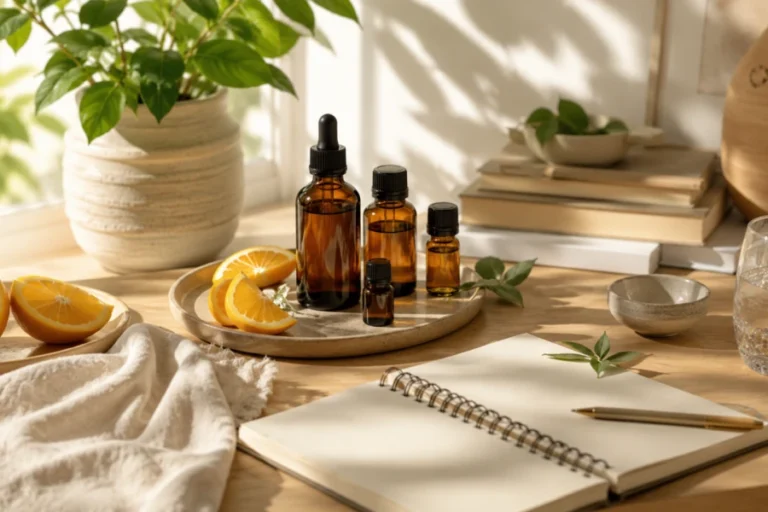
Home-based hobbies work well because they remove extra friction. You can begin with supplies you already own. A notebook can become a reflection practice. Tea and a recipe can become a baking ritual. Yarn, fabric, or paper can become a creative outlet. Houseplants can turn care into quiet routine. Puzzles can organize attention when thoughts feel scattered. Music can make the entire space feel gentler. Small rituals become anchors during stressful seasons. Familiar surroundings make calm easier to access.
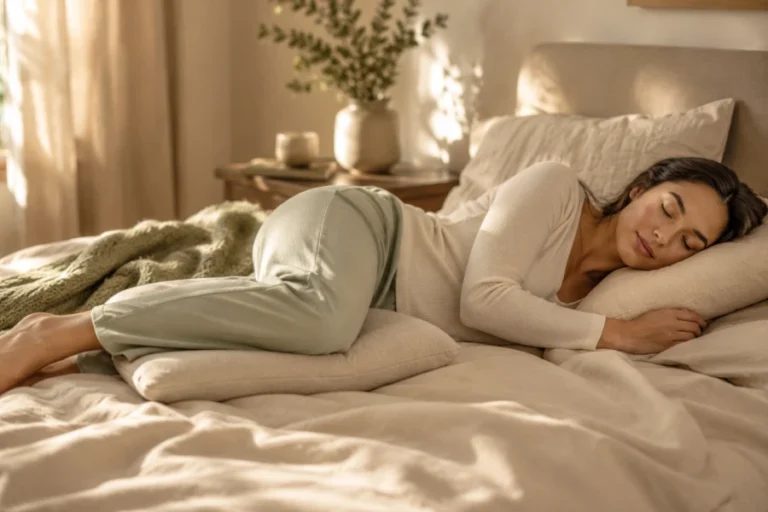
Evening hobbies should help the day close gently. Choose activities that lower stimulation instead of increasing it. Handwork, reading, light stretching, or simple sketching can work well. Avoid turning the hobby into a late-night challenge. Keep supplies visible so starting feels easy. A small basket can hold everything you need. Soft lighting can make the ritual feel more peaceful. A peaceful evening routine can help you build consistency. Over time, your brain associates the activity with winding down. Rest arrives more easily when evenings feel intentional.
The best calming hobby matches your temperament. Some people relax through movement. Others need quiet concentration. Creative people may enjoy color, texture, and design. Practical people may prefer useful tasks like mending or cooking. Social people may enjoy letter writing or shared crafting. Your history matters too. A childhood activity may feel unexpectedly comforting. Choose what feels inviting, not what looks impressive. Personal meaning makes a routine easier to keep. Calm grows when the activity feels like yours.
Begin with one hobby and one small time block. Ten minutes can be enough. Choose a low-pressure activity for the first week. Place supplies where you can see them. Pair the hobby with tea, music, or a cozy chair. Notice how your body feels before and after. Keep what soothes you and release what feels forced. This process should feel kind, not demanding. Small routines can become powerful emotional support. A calmer mind often starts with one gentle choice.

Leave a comment