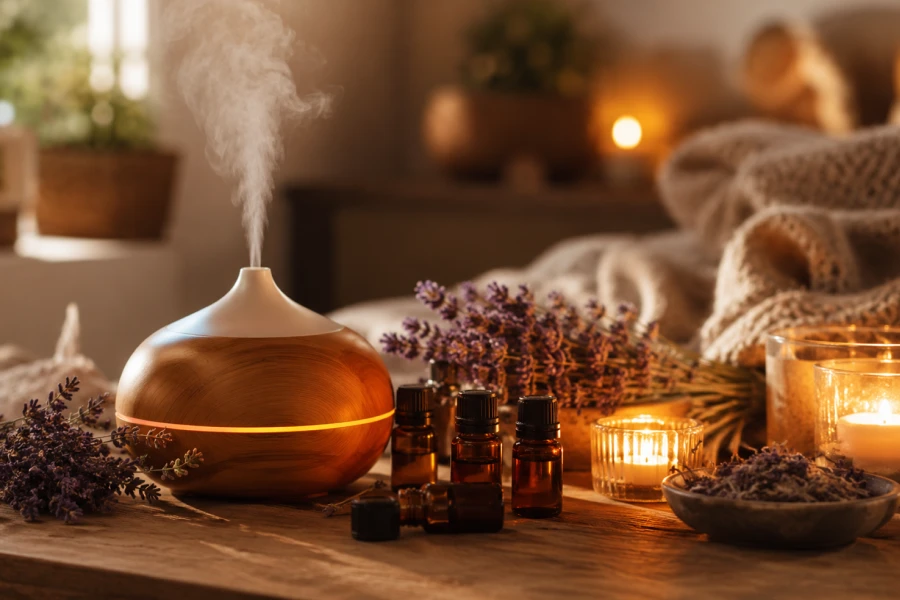
Mood Lifting Essential Oils can help create a calmer, more uplifting atmosphere at home. Scent is powerful because it connects quickly with memory and emotion. A fresh citrus note can feel energizing. A soft floral aroma can make a room feel gentler. Herbal scents may support focus and balance. The key is using oils thoughtfully, safely, and consistently. Aromatherapy works best as part of a broader wellness routine. It should support your mood, not replace deeper care when needed. Small scent rituals can make daily transitions smoother. Your environment can feel brighter with intentional aromatic choices.
Scent can shift the feeling of a space quickly. A room that smells fresh may feel more open. A calming blend can make an evening feel softer. An energizing aroma can support a morning routine. Essential oils work best when chosen with purpose. Random blends can feel overwhelming or distracting. A aromatherapy checklist helps organize safe, useful options. You can match oils to mood, timing, and setting. This makes the practice easier to repeat. A thoughtful scent routine can become a daily emotional cue.
Different scent families create different impressions. Citrus oils often feel bright, clean, and refreshing. Lavender and chamomile may feel soft and quiet. Peppermint can feel crisp and alert. Rosemary may support a focused atmosphere. Vanilla-like or warm aromas can make spaces feel cozy. Personal preference matters more than trends. A scent that comforts one person may irritate another. A essential oil mood guide can help you compare choices. Better results come from noticing how your body responds.
Morning scent rituals should feel clean and motivating. Lemon, orange, grapefruit, and peppermint often suit this time well. Use gentle diffusion rather than overpowering the room. Pair the aroma with opening curtains or making tea. This helps your mind associate scent with starting fresh. Keep the routine brief enough to repeat. A few intentional minutes can influence your whole morning. Avoid using strong oils in small spaces for too long. Balance matters because pleasant scent should not become heavy. A brighter start can feel simple and sensory.
Evening blends should support softness and release. Lavender, bergamot, cedarwood, or chamomile-inspired profiles often feel soothing. Diffuse lightly while reading, stretching, or tidying the room. You can also use safe, diluted applications when appropriate. Always follow product guidance and avoid sensitive areas. A relaxation oil routine makes safety and consistency easier. The scent should support winding down, not dominate the space. Keep pets, children, and sensitivities in mind. Calm rituals work best when they feel gentle. Your evening can become more peaceful through repetition.
Safety is part of any aromatherapy routine. Essential oils are concentrated and should be respected. More is not always better. Ventilation matters, especially in smaller rooms. Dilution matters when oils touch skin. Some oils may not suit pregnancy, children, pets, or sensitive people. Patch testing can help reduce surprises. Avoid placing oils near eyes or mucous membranes. Store bottles away from heat and sunlight. A safe practice protects the calm you want to create.
Begin with two or three oils rather than a crowded collection. Choose one bright scent and one calming scent. Add one grounding scent if you enjoy warmth. Use each oil at different times and note your response. Keep blends simple while you learn preferences. Build rituals around natural transitions like morning, work breaks, and bedtime. Clean your diffuser regularly to keep scents fresh. Respect personal sensitivity and adjust quickly when needed. Aromatherapy feels most useful when it stays intentional. A better mood environment can begin with one thoughtful breath.


Leave a comment