
Grandma Approved Hobbies bring a comforting kind of calm that modern routines often miss. These activities feel slow, tactile, and emotionally steady. They do not require expensive equipment or perfect results. Instead, they invite you to use your hands and attention gently. Baking, sewing, gardening, puzzles, journaling, and letter writing all create quiet focus. They also offer a break from screens and constant alerts. That slower rhythm can help your mind settle. The beauty is in the simplicity. Familiar hobbies can feel like emotional shelter. A calmer lifestyle often begins with small, old-fashioned rituals.
Older hobbies remain useful because they meet timeless needs. People still need calm, focus, creativity, and routine. A handmade activity can slow the pace of an anxious day. It gives your mind something concrete to hold. Simple repetition can feel deeply grounding. The task does not need to be difficult. A nostalgic self care checklist can help you choose meaningful options. You may rediscover activities that once felt natural. These habits often calm without demanding much explanation. Their quiet value is exactly why they last.
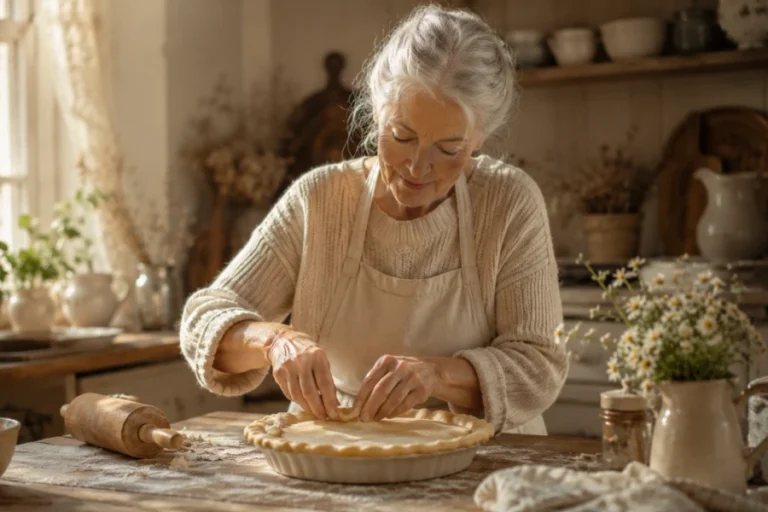
Routine gives the mind a sense of safety. A weekly baking hour can become something you anticipate. A morning knitting session can start the day softly. A short journaling practice can clear mental clutter. Gardening can connect you to seasons and patience. Puzzles can make scattered thoughts feel organized. These routines do not need to be perfect. They only need to feel repeatable. A stress relief hobby ideas resource can make planning easier. Comfort grows when calming activities become familiar.
Evenings are ideal for slow hobbies. Your mind needs a bridge between activity and rest. Hand stitching, reading, baking prep, and simple crafts can create that bridge. Soft music can make the ritual feel warmer. A cozy chair can signal that the day is ending. Keep your phone away from the hobby area. This protects the calm you are trying to build. Choose something soothing rather than mentally demanding. The goal is peaceful attention. Gentle evenings can improve the way you sleep.
Creativity does not need to feel ambitious. A small craft can refresh your mind without pressure. Painting a simple card can feel satisfying. Arranging flowers can change the mood of a room. Making soup can become a sensory ritual. Mending a button can create a small sense of accomplishment. These tasks reconnect you with real materials. They also help attention move away from worry. A creative hobby guide can offer gentle direction. Creative calm often begins with modest, enjoyable tasks.
Perfection can ruin the emotional benefit of a hobby. You do not need flawless stitching or beautiful handwriting. You do not need bakery-level bread or expert gardening skills. The process matters more than the outcome. A lopsided scarf can still calm your hands. A simple cake can still make your kitchen feel warm. A messy journal can still clear your thoughts. Give yourself permission to be a beginner. That permission makes the activity emotionally safe. Calm grows when the hobby welcomes imperfection.
Choose one hobby that feels familiar or comforting. Gather only the supplies you need first. Set a gentle time limit so starting feels easy. Keep the activity separate from work or productivity goals. Notice which hobbies leave you calmer afterward. Repeat the ones that feel restorative. Share them with someone only when it feels joyful. Protect the hobby from pressure and comparison. Simple rituals can become steady emotional support. Your calm mind deserves activities that feel kind.


Leave a comment